Skip to content


Both DTF and UV DTF produce full-color transfers — but they're made differently and used for different products. Here's the honest difference and which one you need for cups.

What is DTF?
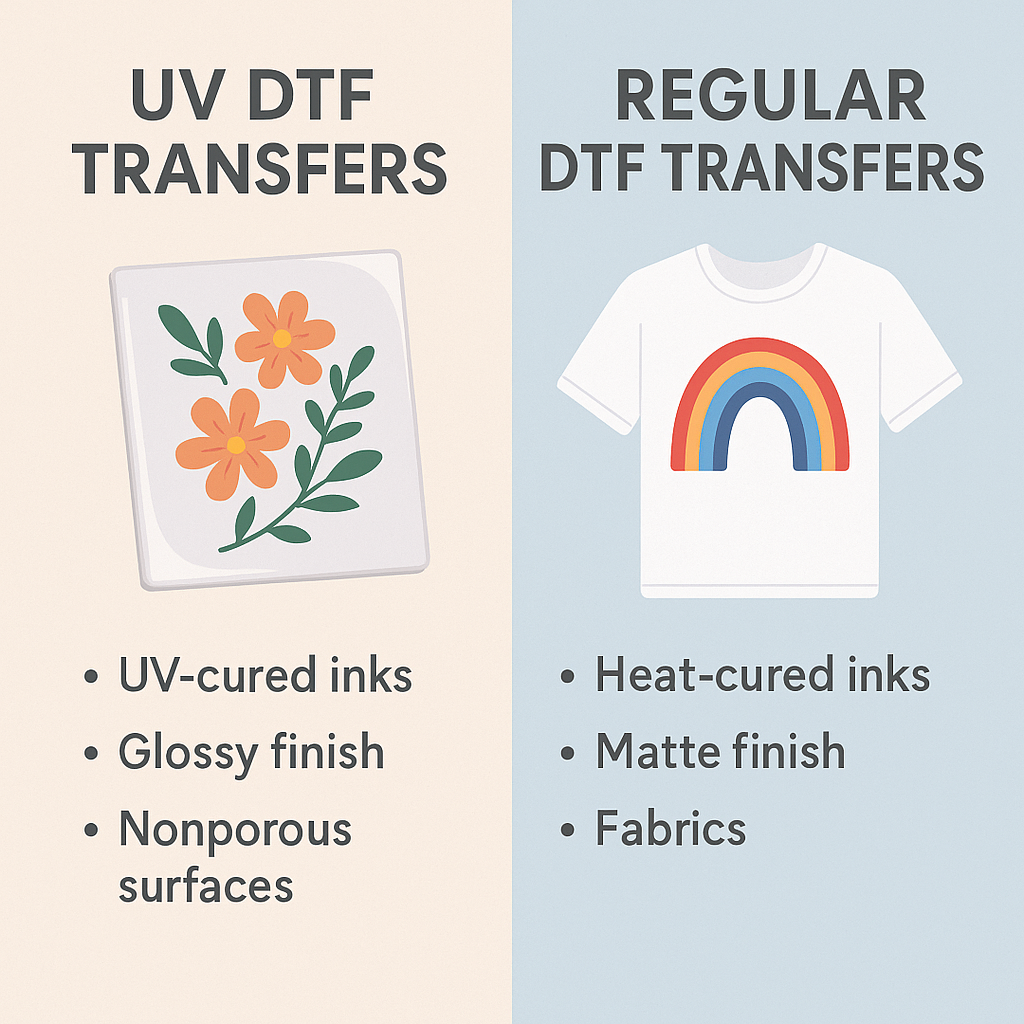
DTF (Direct-to-Film) prints designs onto a film, coats them with adhesive powder, and applies them with heat and pressure. It's built for fabric — t-shirts, hoodies, and apparel.
What is UV DTF?
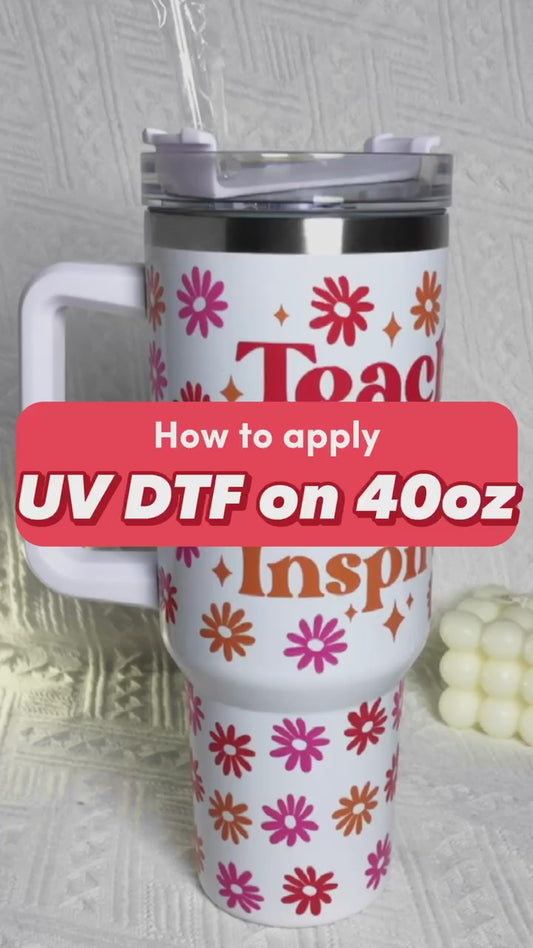
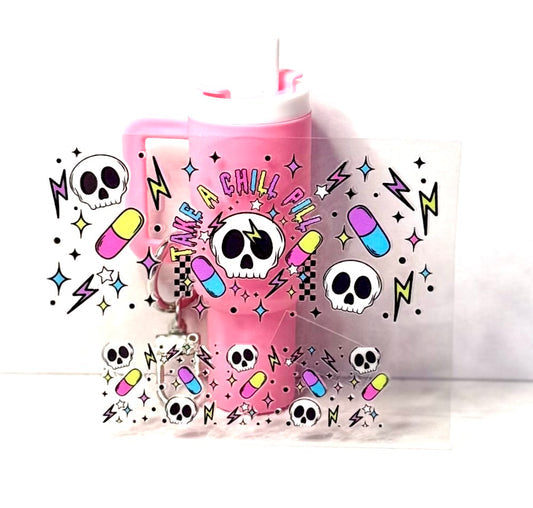
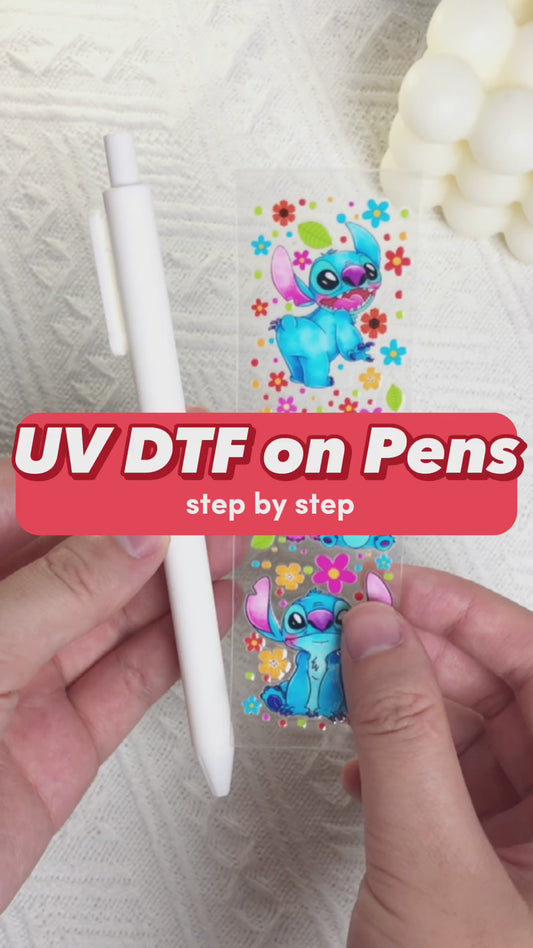
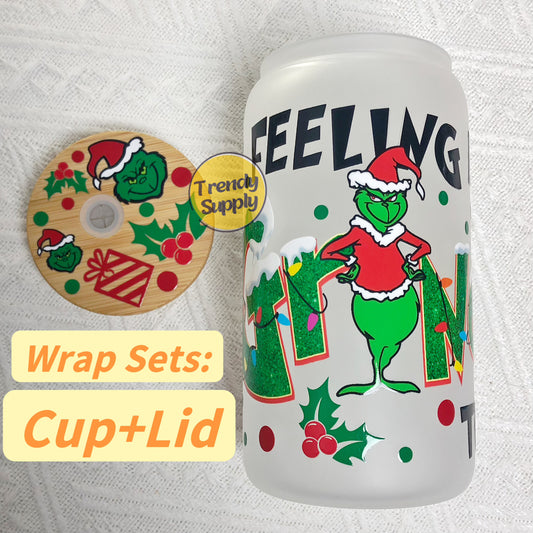
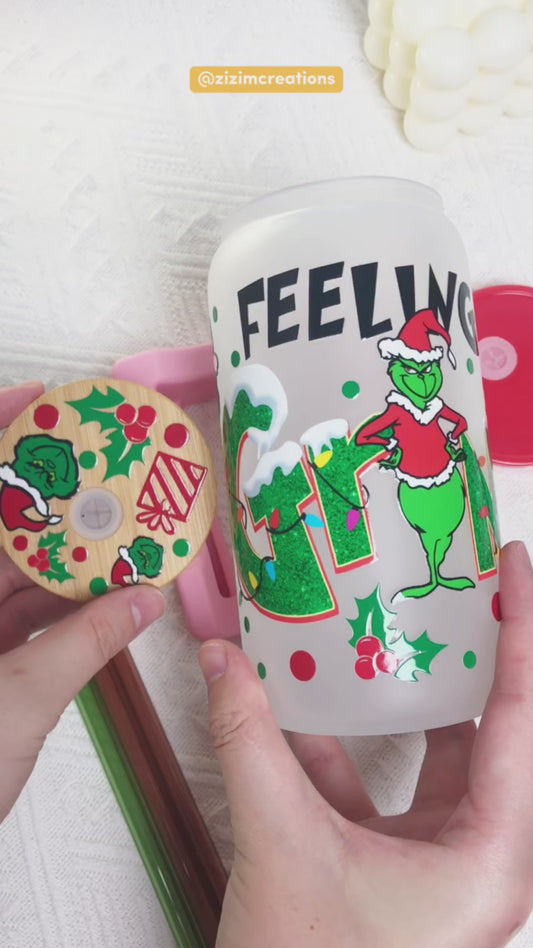
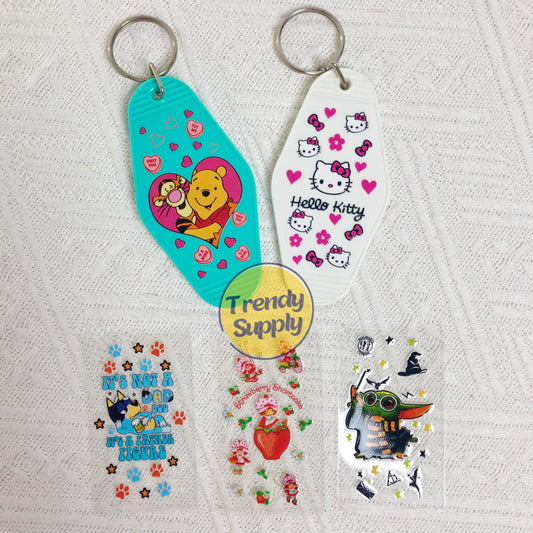
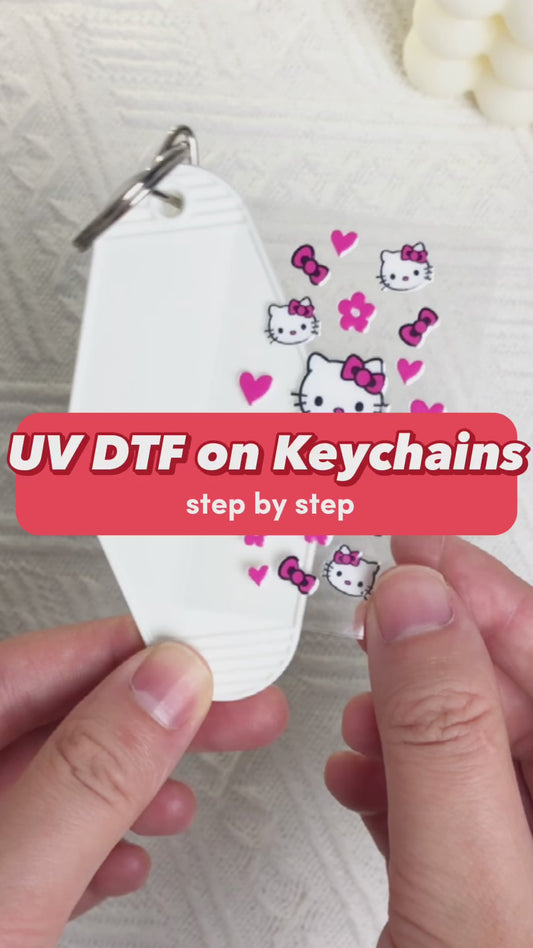
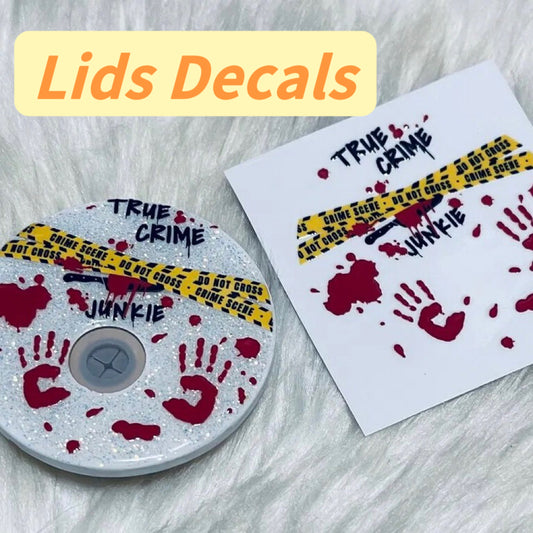
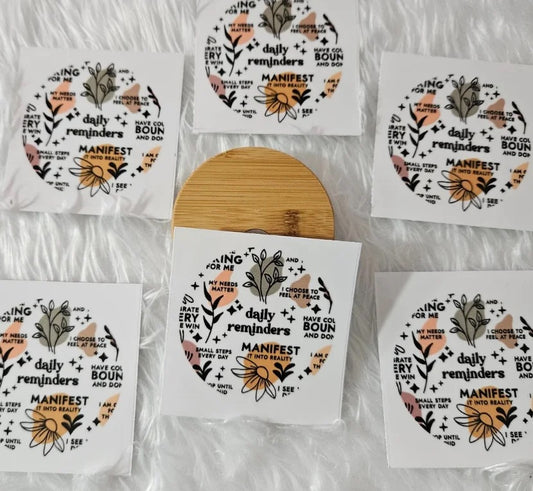
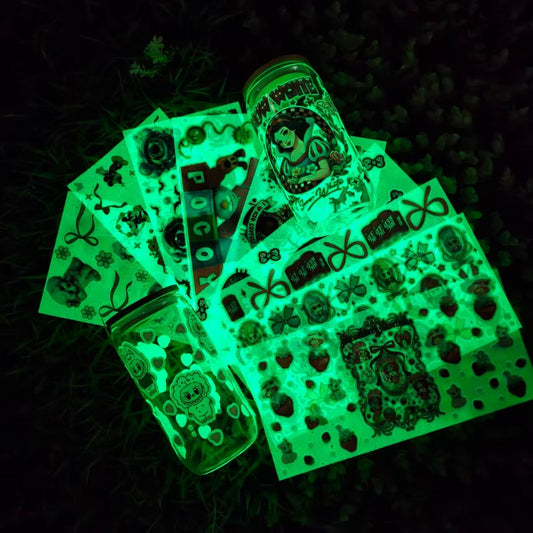
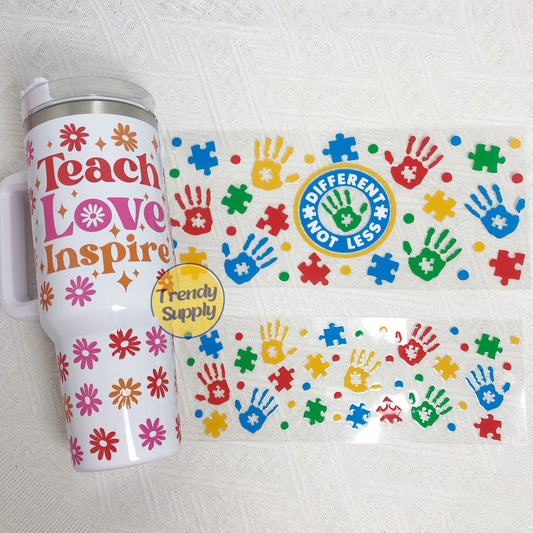
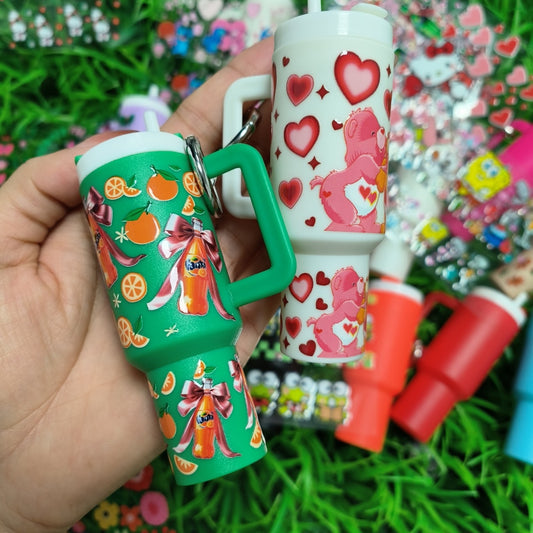
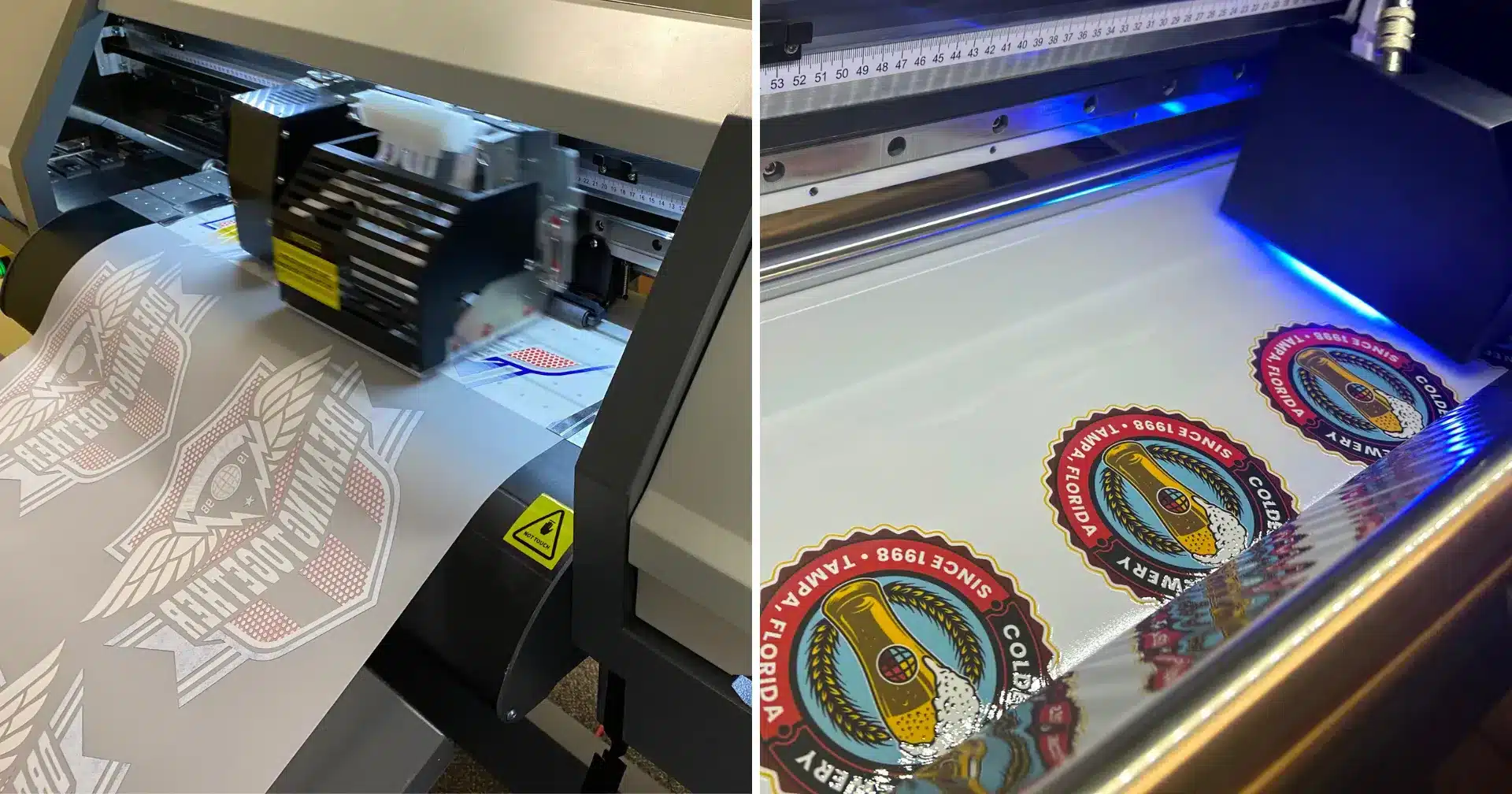
UV DTF prints designs with UV-cured ink directly onto an adhesive film. No powder, no heat press — the transfer is peeled and applied cold. It's built for hard surfaces: glass, metal, ceramic, plastic, and acrylic — which is why it's the standard for custom cups, cans, and tumblers.
Key differences
| DTF | UV DTF | |
|---|---|---|
| Best surface | Fabric / apparel | Glass, metal, ceramic, plastic |
| Application | Heat press required | Peel and apply, no heat |
| Finish | Soft, garment-friendly | Waterproof, scratch-resistant |
| Best for cup businesses | No | Yes |
Which one do you need for cups?
If you make custom cups, cans, or tumblers, UV DTF is the right choice — it needs no equipment and produces a waterproof, durable finish on drinkware. See the UV DTF cup wraps collection and wholesale pricing. If you also print shirts, that's where classic DTF comes in.
Want the full comparison against sublimation too? Read UV DTF vs Sublimation.